
Author: jakepascoe
Anastasia’s 21st

Alec’s Living Out Of Home Vlogs
Over the course of this semester, Alec has been producing a vlog series documenting his last week of living out of home before he moves back in with his parents. The aim of his vlog series was to help educate people about what they need to know when living out of home, using his own experience as his primary source of information. He wanted to deliver his advice in a funny and personal manner, which is why picking a vlog format over a blog was the best choice. This, as well as his strong background in video production with ShireLive, mean that before Alec even started, I had high expectations on what he should deliver. While Alec doesn’t work professionally in a media position (apart from his role at ShireLive), I know that this kind of field is something that Alec has always been interested in, and has always considered trying to work in. So while this vlog series may be for a university project, I think he can use it as a chance to learn and grow his production techniques, and perhaps use in his portfolio if he ever decides to enter that industry. The video below is an example of what he does for ShireLive.
Impressions:
I’ve been following his progress, and after presenting a beta version of his vlog, i’ve been asked to critique his process and project, to help him continue to grow and make better vlogs. Firstly, Alec really hit those high expectations I had for his videos before he even began. His humour was on point, his camera angles were great, and it followed a storyline which is absolute key to vlogs.
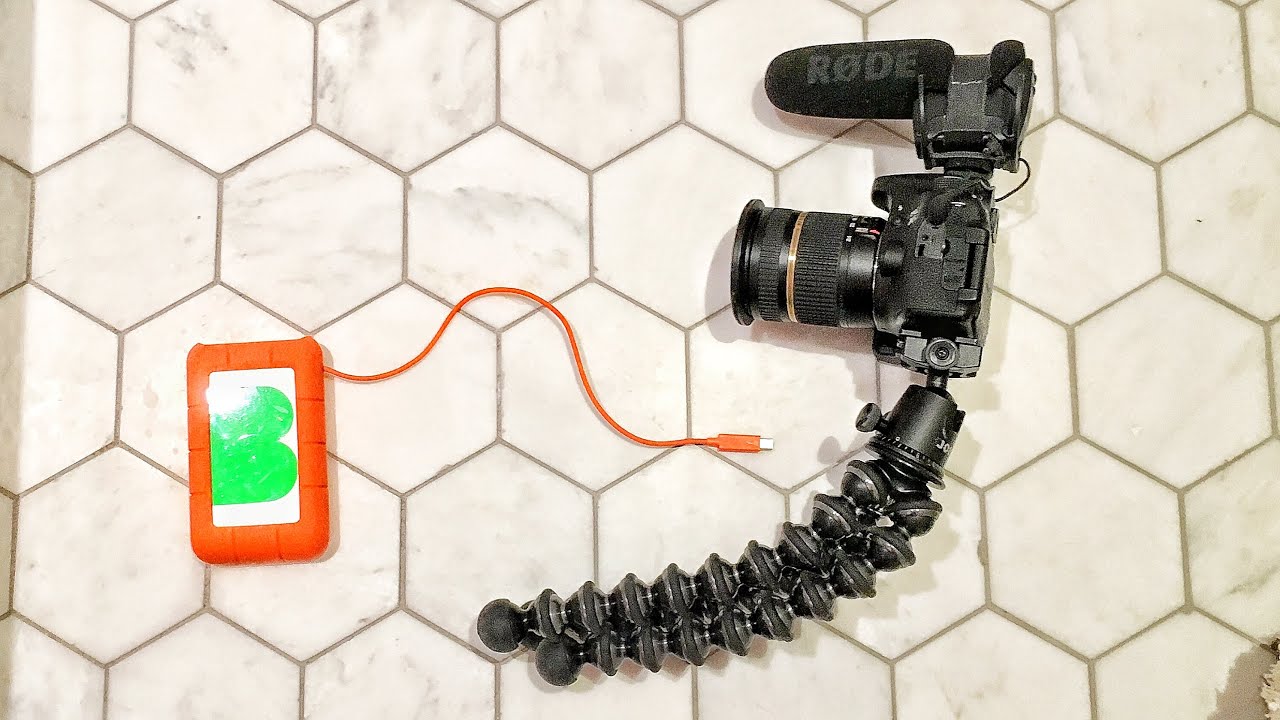
The audio quality was, for the most part, really good. Alec mentioned in his presentation that he borrowed a RODE mic for the parts of the vlog where he sat on his bed and talked directly into his camera and to the audience. For the rest of the vlog, he had no special audio equipment, and used the built in microphone in his Canon DSLR.

His humour throughout the video I found funny, because it was relatable, and Alec is a naturally funny person. His family were also funny, and his editing highlighted that. I think the biggest part of his humour is when he bounces off other people adding in funny comments or replies.
I found some of his shots had his face too close to the screen, and that could be attributed to his lens not being wide enough, or perhaps he just needs to move the camera further away from his face. I should note however that this wasn’t a trent throughout the entire video, so it’s possible this was a one time mistake.
I liked how he got his friends to help him film parts of the video, because it allowed himself to be in the actual shots. This lets us see a lot clearer what goes on in his day, and for us actually see him interacting naturally without also being the cameraman.
The music he used in his blog was also great, but it was a very popular song, and would be copyrighted. This could be a big issue if he takes this further. The graphics Alec made (I saw him do it myself – super talented at it) looked amazing, it suited his video style and vibe, and there’s nothing I would change about it. It almost makes me think that Alec could pursue a career in graphic design.
Alec mentioned in his presentation that it felt awkward to film himself in public, and that it became a real barrier for completing his assignment. I can totally understand how this would be an issue, and I guess it’s one of those things that can only get better with time and perseverance.
Going forward:
I would improve the lighting for the shots where he talks on his bed, some basic lights could really improve the shot, and for about $60 you can really improve the production quality. Lighting is super important in film.
Some of the cuts in his edit looked really rough, when the new shot would be edited it, it felt like it was ‘cut’ too close to where he starts a new word or sentence, and so the tempo when he talked seemed really off and not natural. I really enjoyed Alec’s vlog, and I think he should really continue to produce his vlogs, because everyone in the class seemed to enjoy it, and I can see a lot of potential for it. Especially since Vlogs are pretty in demand right now.
Massive Green Screen Success!
Since my last blog post, Dan and I have set up and filmed one of our videos for our projects, and we’ve analysed what worked and what didn’t. Dan and I came into the assignment confident of our video production skills, with great expectations of the results. While we’re both happy with the results of the video, i’m sure we can both agree that there were some elements that were successful, and others that weren’t.
We had assumed that the camera work would be easy if we set all the cameras up on tripods, pressed record then synced up the footage afterwards through an audio spike, but it proved to be a bit harder than we imagined. We had issues with cameras stopping the recordings at different times (this is due to the SD card writing speeds and the limitations that the companies put on the cameras to avoid taxes – apparently that’s actually a thing).
Another issue I found afterwards, was throughout the video, when we’re reacting to the video and talking about what was happening and our thoughts, we were constantly referencing things that had happened to us earlier that day, and jokes that the audience wouldn’t understand for lack of context.
We had also assumed that after downloading the movie, that it would come with subtitles, because it promised there were hard coded subtitles. Well, we found out the hard way that there were no subtitles, but we concluded afterwards that it was probably a good thing, because it allowed us to talk more throughout the video (even though I had written in my previous blog post that we would avoid that), and react more energetically to things we considered not normal.
After recording the video, even though we have 1.5 hours of footage (on each camera!) to go through and cut down, i’m confident there’s enough good material to see us reacting and analysing the films. I’m also confident in the techniques and production of the videos, it took a lot of effort and some trial and error, but it was very successful, and we’re talking about continuing the video series after we finish our individual assignments, because we had so much fun!
If I was able to make a change to the videos series, I would have people operating the cameras, so they aren’t always static shots, and they’ll be able to know when the cameras stop recording, and can direct and prompt us if something isn’t working, or if we should address a production issue.
The overall academic approach of autoethnography to watch the film was successful, I found that without the subtitles and with no english parts, and especially both having a background in film work, we were able to see the asian influence and culture throughout the film, and we talked about whether or not some of these techniques were useful or not, and we had disagreements on whether or not we liked these techniques, but it was a great way to watch an asian film.
Being completely honest, if I had the option, I would have watched it with subtitles, because throughout the film, there were parts and scenes we just didn’t understand, and it made it hard to understand the relationships the characters had with each other, because we had to rely on body language and how they interacted with each other. The lack of subtitles however did make more character engagements more noticeable, especially some that we didn’t consider normal, and we had to make assumptions and broaden our thinking to understand the movie.
So overall, the filming was a great success, and I look forward to both of our edits of both of our films, and to see what other people think about this approach of autoethnography in film and video.
Video Techniques for Autoethnography
For my individual research project, I wanted to explore the differences in films produced and released in Asia, compared to the movies I usually watch. I wanted to examine what I thought was normal, and what I thought wasn’t normal, but how their different techniques affected the film overall, and how it affected my overall opinion of the film.
So to achieve this, I had to set up an environment where I could watch an asian movie, and also record my reactions to the movie, so I could clearly show through my expressions, what I thought wasn’t normal – or at least in my culture. I found that a friend of mine also had a similar idea, so we decided to help each other out throughout the process, but we would both have our assignments reacting to an individual film.
When Dan and I were discussing how the best way to produce the short video was, he referred me to an online television program he had been watching for a while called ‘Ancient Aliens’, and we both instantly agreed that following a similar set up would be perfect for our assignments. If you watch an episode of theirs which i’ve linked below, you can see that the television series follows a bunch of dudes getting intoxicated and watching the series ‘ancient aliens’ (which is an alien conspiracy theory series). The twist however, is that they are filmed watching it on a lounge in a massive green screen room, so the background of the video is the series they’re actually watching! It’s a technique that I hadn’t found before, and that combined with the funny and unique editing style of the show it clearly shows how we’ve experienced the film.
Ellis, Adams and Bochner talk about autoethnography in their published works as being an individual approach to research, submitting and submersing yourself to the environment you’re trying to study, and then recording your findings through field notes. Then through these field notes, you’re able to better understand the subject of study from a unique perspective, which is particular useful when studying things in another culture where you may have particular thoughts or stereotypes about the culture.
Taking Scholar’s like Ellis, Adams and Bochner and their ideas about autoethnography into account, our approach to filming and reacting to them perfectly highlight the principle of autoethnography, we’re planning to submerse ourselves and react to the footage. The use of the green screen behind us allow the viewers to see what we’re reacting to, and it also allows us to use this unique editing style to perfectly demonstrate how we’re reacting to the movie rather than just annotating what’s going on in the movie.
For this assignment to work, we’ve had to set up multiple cameras to be filming us. We’re planning on using 3 digital camera’s, two with wide angles, and one with a closer shot of us to see our reactions. We’re also using a go pro to get an ultra wide angle of the whole environment. Dan bought a bunch of green sheets and stitched them together, and we plan to use pins to hold the sheets into the wall. We’re going to be having a table in front of the couch (as we plan to eat pizza and have a few drinks – who said assignments can’t be fun), but we’re going to be covering it with the green screen so all you can see is a bunch of hovering pizza and drinks. We’re also planning to have a very relaxed and laid back vibe throughout the video, as we think not having too many rules governing the production will be more beneficial to the autoethnography process, as it allows you to see how we truly reacted to the film, and how we actually experienced the film.
Dan tested the video idea briefly by himself which you can find over on his youtube channel Danger Dan, and you can see how the video production technique really makes it submersive for the viewer as well, which refelcts the autoethnography process. After filming and editing the video, we’re both going to be uploading the videos to our youtube channels for hosting and then submitting them.
We plan on filming this on a thursday night when we’re all available, and treating it like a movie night with some drinks rather than an academic video production. So stay tuned for the next blog post to see how it panned out!
ACTION BRONSON WATCHES ANCIENT ALIENS. (2016). [film] Viceland: Action Bronson.


 jakepascoe.com